Review: Mini Deer Dog Embroidery Design for Real Projects
As a designer who has spent countless hours digitizing and stitching out thousands of files, I have learned that the smallest designs often carry the biggest responsibility. When I first loaded the Mini Deer Dog Embroidery Design into my software, I was not just looking at a cute motif; I was evaluating its potential as a versatile asset for my craft business. This is not merely a digital file; it is a tool for creating tangible value. Whether you are an Etsy seller looking to refresh your inventory or a hobbyist making personalized gifts, understanding how this design behaves under the needle is crucial.
First Impressions and Visual Personality
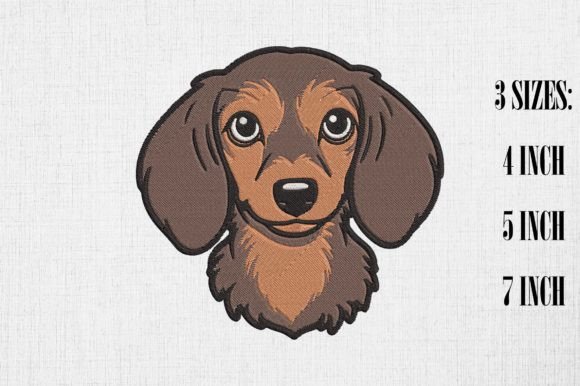
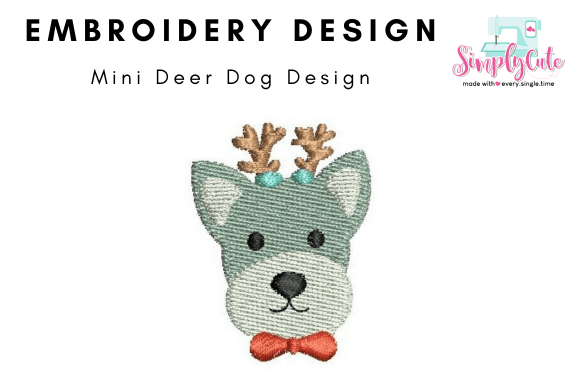
The immediate appeal of this design lies in its balanced simplicity. It avoids the clutter that plagues many low-quality embroidery files, opting instead for clean lines and a charming silhouette. The theme blends the whimsical nature of a deer with the loyal familiarity of a dog, creating a unique visual personality that feels both modern and timeless. For embroidery designers, this means the layout is likely optimized for clarity. The shape is compact, which suggests it will hold up well even when scaled down, provided the stitch density is managed correctly.
The mood it creates is warm and approachable. It does not scream for attention but rather invites a closer look. This subtlety is exactly what makes it a fantastic accent for various projects. It fits naturally into the aesthetic of boutique branding, where understated elegance often sells better than loud, oversized graphics. When I visualize this stitched out, I see a design that enhances the fabric rather than overpowering it.
Real-World Application and Versatility
To truly test a design, you must imagine it in a real-life scenario. Recently, I was preparing a custom order for a client who wanted a set of matching tote bags for a family reunion. I needed a design that was small enough to fit on the corner of a canvas bag but detailed enough to be recognizable from a distance. The Mini Deer Dog Embroidery Design came to mind immediately. Its compact footprint makes it ideal for tote bag design applications where space is limited.
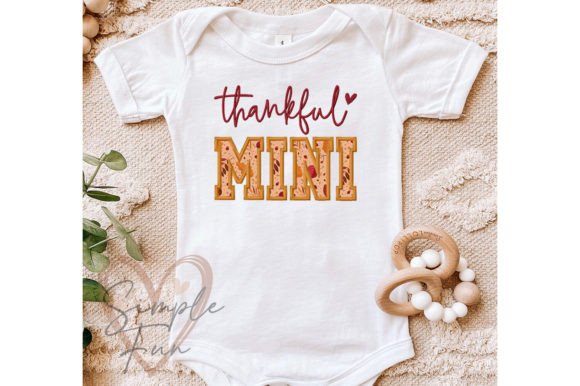
Beyond bags, this design shines in custom apparel. Imagine it stitched on the left chest of a high-quality sweatshirt. The contrast between the soft fleece texture and the precise embroidery stitches adds a layer of sophistication. It works equally well on t-shirts, where a lighter touch is required to prevent puckering. For baby embroidery projects, such as onesies or bibs, the adorable nature of the motif is a significant selling point. Parents love unique, non-generic designs for their children, and this hybrid creature offers a conversation starter that standard animal clips do not.
For those running a small shop product line, versatility is key. This design can be adapted for embroidered patches, which are currently trending in the handmade community. It also serves well as a decorative element on pillow covers or kitchen tea towels, adding a touch of whimsy to home decor. As an Etsy seller, having a design that can be applied across multiple product categories increases your return on investment for each digital embroidery file you purchase.
Technical Considerations for Stitching Success
While the design is aesthetically pleasing, practical execution requires attention to detail. One of the primary concerns with any mini design is stitch density. If the density is too high for such a small area, the fabric may pucker or the thread may break. Conversely, if it is too loose, the design may lack definition. Before committing to a final product, always test the design on scrap fabric that matches your intended material.
Fabric texture plays a massive role in the final outcome. On smooth cotton or poly-blends, the satin stitch and fill stitch elements should appear crisp and clean. However, on textured fabrics like terry cloth or heavy wool, some finer details might get lost. In these cases, consider using a contrasting thread color to enhance visibility. For dark fabric, ensure your thread colors have enough brightness to stand out. A common mistake is using dark threads on dark backgrounds, which renders the design invisible.
Stabilizer choice is non-negotiable. For stretchy fabrics like jersey knits used in t-shirts, a cut-away stabilizer is essential to maintain the integrity of the embroidery project. For woven fabrics like tote bags or aprons, a tear-away stabilizer may suffice, but always err on the side of caution. If you are stitching on curved surfaces like caps, the hoop size and stabilization method must be adjusted to prevent distortion. The design’s small size makes it suitable for smaller hoops, but ensure your machine’s minimum hoop capacity can accommodate it without issue.
Commercial Viability and Brand Consistency
From a business perspective, the Mini Deer Dog Embroidery Design offers strong commercial embroidery potential. It is distinct enough to help build brand consistency if used as a logo or signature mark for a niche boutique. Customers often associate high-quality, well-executed small details with professionalism. A cleanly stitched mini design signals that the maker cares about precision.
When creating printable mockups or digital product previews, this design translates well because of its clear silhouette. It allows potential buyers to visualize the finished product easily. For holiday embroidery collections, this design can be themed with seasonal colors—think red and green for Christmas or pastels for spring—making it a year-round asset for your design assets library.
However, always verify the licensing terms before selling finished items. While many designers allow commercial use of the physical embroidered product, restrictions may apply to mass production or digital resale. Confirming these details protects your craft business from legal issues and ensures you respect the creator’s rights.
Final Designer Notes
Before you run this design on a customer’s garment, take these practical steps. First, check the thread color contrast. Run a simulation in black and white to ensure the design holds its shape without color reliance. Second, inspect the small details. Zoom in on the digitized file to check for unnecessary jumps or dense clusters that could cause thread breaks. Third, consider the end-use. If the item will be washed frequently, such as a baby item or kitchen towel, ensure the stitch type is durable and the fabric is pre-washed to account for shrinkage.
The Mini Deer Dog Embroidery Design is more than just a cute image; it is a functional, versatile tool for the modern maker. By understanding its technical requirements and leveraging its aesthetic appeal, you can create high-value handmade products that resonate with customers. Whether you are decorating a single personalized gift or stocking your online store, this design proves that small details can make a big impact.