Review: Red Cross Embroidery Design for Craft Fairs
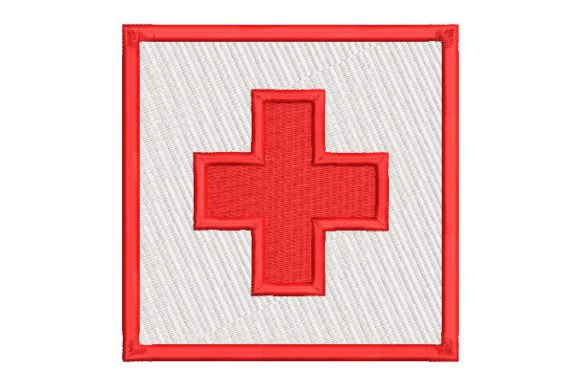
As an embroidery designer who has spent countless weekends behind a booth table, I know that the difference between a browser and a buyer often comes down to visual impact and perceived quality. When I first loaded the Red Cross Embroidery Design into my digitizing software, my immediate thought was about versatility. This is not just a decorative element; it is a symbol of care, health, and professionalism. For those of us running a small shop product line or selling as an Etsy seller, finding designs that bridge the gap between niche medical appreciation and general handmade appeal is rare. This design fits squarely into the Work category, offering a clean, recognizable aesthetic that translates beautifully into commercial embroidery.
First Impressions and Visual Appeal
The first thing you notice about this machine embroidery design is its clarity. In a crowded craft fair environment, customers scan tables quickly. A design that is too intricate or abstract can get lost, but the Red Cross motif is universally understood. It feels modern yet timeless, avoiding the trap of looking overly clinical or sterile. Instead, when stitched with high-quality thread, it exudes a sense of premium care. Whether you are aiming for a cute aesthetic on a pediatric nurse’s bag or a bold, professional look for a paramedic’s cap, this design holds its own. It does not scream "hospital"; it whispers "healthcare hero," which is a powerful emotional hook for buyers looking for meaningful gifts.
Product Applications for Maximum Sales
To truly evaluate the potential of this digital embroidery file, we must look at where it lives best. I tested this concept across several common craft fair staples, and the results were telling.
- Tote Bag Design: On a canvas tote, the red cross stands out vividly against natural or dark fabrics. It transforms a simple bag into a statement piece for nursing students or medical professionals who want to carry their gear with pride.
- Apron Embroidery: This is perhaps the strongest contender. A sturdy canvas apron with this design embroidered on the chest pocket area creates an instant uniform upgrade. It appeals to veterinarians, dental hygienists, and home healthcare workers alike.
- Tea Towel Embroidery: For a softer approach, stitching this onto linen tea towels creates a charming, farmhouse-meets-medical vibe. It is perfect for housewarming gifts for new nurses.
- Embroidered Patch: If you offer patches, this design is ideal. It allows customers to customize their own jackets or bags later, extending the life of your design assets.
- Caps and Hats: Curved surfaces are tricky, but the simplicity of the cross works well here, provided you manage the stitch density correctly.
Production Practicalities and Technical Notes
From a production standpoint, efficiency is key. You cannot spend hours tweaking every stitch if you want to maintain healthy margins on your finished product. This design appears straightforward, but there are critical technical considerations. First, always check the stitch density. If the red areas are too dense, they may cause puckering on lighter fabrics like cotton tees or thin tote bags. Conversely, if the density is too low, the fabric underneath might show through, ruining the crispness of the cross.
When working with textured materials, such as terry cloth towels, the design needs sufficient underlay to sit flat. I recommend using a cutaway stabilizer for stretchy fabrics like jersey caps to prevent distortion over time. For woven fabrics like aprons, a tear-away stabilizer usually suffices, but test on scrap fabric first. The contrast of thread colors is vital here. A bright, true red against white is classic, but consider deep burgundy or navy for a more subtle, boutique look. Always verify the hoop size required by the specific file version you purchase, as this will dictate whether you can place it on small items like pouches or larger items like pillow covers.
Marketing and Booth Display Strategy
How does this design help you sell? It creates a cohesive theme. Imagine a booth section dedicated to "Caregivers and Healers." You display embroidered tote bags, matching masks or face coverings (if applicable), and personalized water bottles. The Red Cross Embroidery Design acts as the visual anchor. It signals immediately who your target customer is without needing a sign. For online listings, this design photographs exceptionally well because of its geometric symmetry. Use a printable mockup to show the design on various backgrounds before you even stitch a single thread. This helps you plan your inventory mix and ensures you are not guessing what will look good.
For Etsy sellers, keywords are crucial. This design allows you to tap into niches like "nurse gift," "medical student present," and "healthcare worker appreciation." The fact that it comes in multiple embroidery file formats means you can cater to different machine brands, expanding your potential customer base if you decide to sell the digital file itself alongside finished goods.
Designer Tips for Best Results
Before you commit to a large batch production, follow these steps to ensure quality control:
- Test on Scrap Fabric: Never skip this. Stitch the design on the exact fabric weight you plan to use for sales. Check for pull-outs or registration issues.
- Check Thread Contrast: Ensure the red thread does not bleed into the background fabric during washing. Use high-quality polyester or rayon threads for vibrancy.
- Review Spacing: If adding text alongside the cross, ensure there is enough breathing room. Crowded designs look cheap.
- Confirm Commercial Licensing: This is non-negotiable. Before selling any commercial embroidery products, read the license terms included with the download. Some designers allow unlimited physical sales, while others have caps.
- Create Real Mockups: Take photos of your test stitches on actual products. These perform better than digital renderings because they show texture and reality.
In the world of Embroidery, details matter. The Red Cross Embroidery Design offers a blend of symbolic power and aesthetic simplicity that is hard to beat. It is easy to understand at a glance, works as both a small accent and a focal point, and feels repeatable for batch production. By paying attention to fabric texture, stabilizer choice, and thread quality, you can turn this simple digital asset into a high-value handmade product that resonates with buyers who value care and craftsmanship.