Reviewing Christmas Stocking Embroidery for Merch
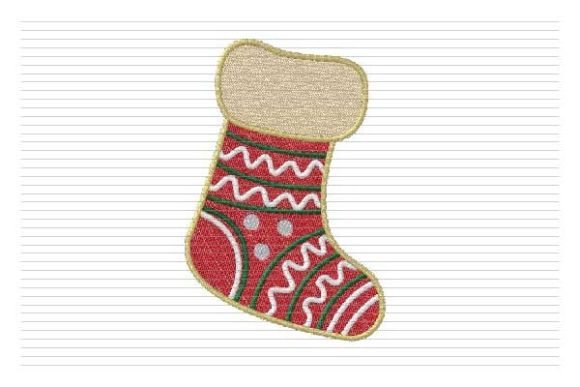
As an embroidery designer who has spent years digitizing files for small business merchandise, I approach every new machine embroidery design with a critical eye. It is not enough for a pattern to look pretty on a screen; it must perform under the needle, withstand washing, and elevate the brand it represents. Recently, I evaluated Christmas Stocking Embroidery, a digital file created for machine embroidery featuring an illustration of a festive stocking. My goal was to determine if this asset could serve as more than just holiday decoration—could it function as a viable component for branded patches, staff uniforms, and boutique merchandise?
First Impressions and Visual Personality
The initial visual impact of Christmas Stocking Embroidery is undeniably warm and inviting. The description notes that the stocking is often adorned with festive decorations, which suggests a level of detail that can translate into a rich, textured finished product. For a small business owner, the "vibe" of a design matters immensely. This particular design leans towards a classic, handmade aesthetic rather than a starkly modern or minimalist one. It feels rustic yet polished, making it an excellent candidate for brands that want to project friendliness and tradition.
However, from a technical standpoint, I immediately looked at the potential complexity. Festive decorations can sometimes mean high stitch density or intricate outlines. If the design relies too heavily on tiny details, it may lose definition when scaled down. My first recommendation to any buyer is to inspect the preview images closely. Does the design maintain its shape when shrunk? Is there enough spacing between elements to prevent thread bunching? These are crucial questions before purchasing a digital embroidery file for commercial use.
Strategic Applications for Small Business Merch
For café owners, boutique managers, and Etsy sellers, seasonal merchandise is a significant revenue stream. Christmas Stocking Embroidery offers versatile application opportunities beyond the obvious holiday sweater. Here is how I envision this design working in a real-world business scenario:
- Embroidered Patches: This is perhaps the strongest use case. By stitching the design onto twill or felt and cutting it out, you create a durable patch that can be ironed or sewn onto various items. This allows customers to buy a single patch and apply it to their own jackets or bags, increasing perceived value without requiring complex custom apparel production.
- Apron Embroidery: For bakeries and florists, branded aprons are walking advertisements. Placing this stocking design on the chest pocket or lower corner adds a seasonal touch to staff uniforms. It humanizes the brand and creates a cohesive look during the busy holiday rush.
- Tote Bag Design: Canvas tote bags are staples for craft fairs and retail shops. A well-digitized stocking motif can serve as a central graphic or a repeated pattern. Ensure the thread colors contrast sharply with the bag fabric for maximum visibility.
- Cap Embroidery: While possible, caps require caution. The curved surface of a cap front can distort detailed designs. If using this on headwear, simplify the design or ensure it is centered perfectly to avoid registration issues.
Navigating Technical Challenges
While the aesthetic appeal is strong, there are areas where Christmas Stocking Embroidery requires careful handling. Not every fabric or garment is suitable for every design. If you plan to use this on dark uniforms, you must consider the opacity of your thread choices. Light-colored threads on dark fabrics may require an underlay stitch strategy that increases bulk. Always test on a scrap piece of the actual fabric texture you intend to use.
Another critical factor is the hoop size. You must confirm that the design fits within your machine’s maximum hoop capacity. If the design is large, you might need to split it or resize it, which can affect the aspect ratio and legibility. Furthermore, items that undergo frequent washing, such as work shirts or kitchen towels, demand secure stitching. Check if the design has adequate tie-ins and trim points to prevent unraveling after multiple wash cycles.
I also advise against using this design on very small labels or tags unless it is significantly simplified. Tiny lettering or minute decorative elements within the stocking can merge into a blob of thread if the scale is too small. Always prioritize clarity over complexity when dealing with miniature applications.
Enhancing Brand Identity and Customer Trust
Consistency is key to building brand identity. Using a high-quality embroidery file like Christmas Stocking Embroidery signals professionalism. Customers associate neat, dense, and well-executed embroidery with premium quality. When they see a crisp stocking emblem on a tote bag or a patch on a staff member’s apron, it reinforces the idea that the business cares about details.
This attention to detail fosters customer trust. In the world of small business merch, handmade presentation is a major selling point. A digitally embroidered item still retains the tactile appeal of handcraftsmanship. By integrating this design into your design assets, you create a visual consistency across your product line. Whether it is used on packaging accents, gift tags, or the products themselves, it helps buyers recognize your brand instantly.
Practical Designer Notes for Production
Before you run a full production batch, follow these practical steps to ensure success with Christmas Stocking Embroidery:
- Test in Black and White: Print or stitch the design in monochrome first. This reveals if the contrast and spacing are sufficient without the distraction of color. If it looks muddy in black and white, it will look messy in color.
- Check Commercial Licensing: Never assume a file is free for commercial use. Verify the license terms provided with the digital embroidery file. Ensure you have the right to sell items made with this design.
- Use Proper Stabilizer: The choice of stabilizer can make or break the project. For stretchy fabrics like jersey tees, use a cut-away stabilizer. For woven fabrics like canvas totes, a tear-away may suffice. Match the stabilizer to the fabric weight.
- Create a Printable Mockup: Before stitching, create a printable mockup to show clients or stakeholders. This helps manage expectations and allows for approval before committing expensive thread and time.
- Compare Beside Other Assets: Place the stitched sample next to your logo and other branding materials. Does the style of the stocking complement your existing visual language? If it clashes, consider adjusting thread colors to better align with your brand palette.
In conclusion, Christmas Stocking Embroidery is a promising asset for businesses looking to add seasonal flair to their merchandise. Its potential lies in its versatility—from patches to aprons—but its success depends on thoughtful execution. By respecting the technical limitations of machine embroidery and aligning the design with your brand’s identity, you can create products that not only sell but also strengthen your connection with customers. Always prioritize testing and quality control to ensure that every stitch reflects the professionalism your business stands for.