Reviewing Grammy Machine Embroidery for Business Use
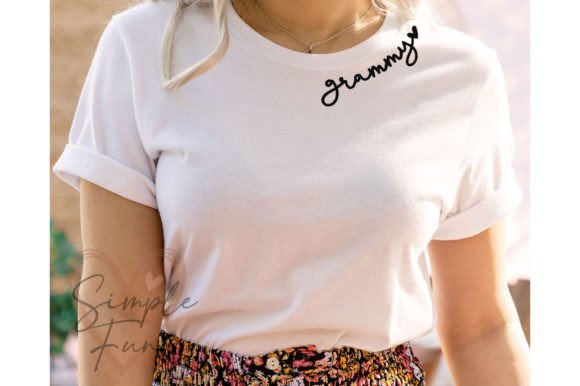
As an embroidery designer who has spent years digitizing files and consulting with small business owners, I approach every new machine embroidery design with a critical eye. It is not enough for a design to simply look cute on a screen; it must perform under the needle, withstand washing, and elevate the brand identity of the client using it. Today, I am reviewing Grammy Machine Embroidery, a digital asset categorized under Mother and Embroidery, to determine its viability for commercial applications.
The product description states that this embroidery file is suitable for various projects, including clothing, home decor, and crafts, promising to bring unique style and personality. For a small business owner, "personality" translates directly to customer engagement. Let us dissect how this design holds up when moved from a digital folder to a finished product.
First Impressions and Visual Personality
When I first loaded the preview for Grammy Machine Embroidery, the immediate impression was one of warmth and approachability. Designs in the Mother category often lean heavily into sentimentality, but the key to successful merchandise is balancing emotion with professional execution. This design appears to bridge that gap. It feels handmade yet polished, avoiding the cluttered look that plagues many amateur digitizations.
For boutique owners and Etsy sellers, visual consistency is crucial. If your brand aesthetic is rustic, cozy, or family-oriented, this design aligns perfectly. However, if your brand is ultra-modern or minimalist, you must evaluate whether the decorative elements of this file clash with your existing design assets. The strength of this file lies in its ability to convey a narrative instantly, which is vital for products like tote bags or aprons where you have limited space to communicate your brand’s values.
Real-World Applications for Small Business Merch
The true test of any digital embroidery file is its versatility in a commercial setting. Here is how I envision Grammy Machine Embroidery performing across different product lines:
- Embroidered Patches: This is perhaps the strongest use case. A well-digitized patch can be sold as a standalone item or used to upgrade plain garments. The design’s structure suggests it would hold up well on twill or felt backings, creating a premium finished product that customers love to collect.
- Custom Apparel and Uniforms: For bakeries, florists, or family-owned cafes, staff uniforms are walking billboards. Placing this design on the left chest of a polo shirt or the sleeve of a button-down adds a touch of personal connection without overwhelming the garment. It signals to customers that they are being served by people who care.
- Apron Embroidery: In the food and craft industry, aprons are essential. Embroidering this design on a high-quality canvas apron transforms a utility item into a branded keepsake. It adds perceived value to workshops or cooking classes.
- Tote Bag Design: Tote bags are popular eco-friendly merchandise. The design’s layout seems conducive to center placement on a bag, making it a statement piece that users will proudly wear in public, increasing your brand visibility.
- Cap Embroidery: While possible, caps require careful consideration due to the curved surface. If the design is too wide, it may distort. I recommend testing a scaled-down version on the front panel of a structured cap to ensure the text remains legible and the shapes do not bunch up.
Technical Considerations and Production Notes
Before you commit to a large production run, there are technical factors to address. The description notes suitability for various projects, but it does not specify exact stitch counts or recommended hoop sizes. As a professional, I advise you to check these details immediately upon download.
Stitch density is a critical factor. If the design is too dense, it can cause puckering on lightweight fabrics like t-shirts or linen tote bags. Conversely, if it is too sparse, the backing material might show through on dark uniforms. I always recommend running a test stitch-out on the actual fabric you intend to use. Do not rely solely on digital simulations.
Another vital element is the stabilizer. For items that will undergo frequent washing, such as work shirts or baby clothes, using a cut-away stabilizer is often necessary to maintain the integrity of the embroidery over time. For patches or hats, a tear-away or heat-seal backing might be more appropriate. Always match your stabilizer choice to the fabric texture and the end-use of the product.
Additionally, consider thread colors. While the default colorway in the preview may look appealing, your brand palette might differ. Test the design in black and white first to ensure the contrast is sufficient. If the design relies on subtle shading, it may get lost on textured fabrics like terry cloth or heavy denim. High contrast is key for recognition at a distance.
Enhancing Brand Identity and Customer Trust
Why does this matter for your bottom line? Because brand identity is built on trust and recognition. When a customer receives a product with high-quality embroidery, they perceive it as premium. Cheap, poorly executed embroidery can damage a brand’s reputation, suggesting a lack of attention to detail. Grammy Machine Embroidery, when executed correctly, signals craftsmanship.
For handmade brands, adding this design to packaging accents or as a thank-you tag can create an emotional connection. It turns a transaction into an experience. Customers are more likely to share photos of beautiful, personalized items on social media, providing you with free marketing. This is the power of thoughtful commercial embroidery.
Final Verdict and Designer Recommendations
To maximize the potential of Grammy Machine Embroidery, follow these steps before full-scale production:
- Create a Printable Mockup: Use software to place the design on images of your actual products. This helps visualize scale and placement without wasting thread and fabric.
- Check Commercial Licensing: Ensure the license terms allow for the number of physical items you plan to produce. Some files have limits on mass production.
- Test on Multiple Fabrics: Run samples on cotton, polyester, and blended fabrics to see how the stitches behave.
- Evaluate Legibility: If the design includes text, ensure it is readable at the size you intend to embroider. Tiny lettering often fills in and becomes illegible after washing.
- Compare with Other Assets: Place this design next to your logo and other branding elements to ensure visual harmony.
In conclusion, Grammy Machine Embroidery offers a charming and versatile option for small business merchandising. It fits well within the Mother and Embroidery niche, providing a heartfelt touch that resonates with customers. However, its success depends entirely on your technical execution. By paying attention to stabilizer choices, thread contrast, and fabric compatibility, you can transform this digital file into a tangible asset that drives sales and strengthens your brand. Always prioritize quality over speed, and let your embroidery speak to the craftsmanship behind your business.