Reviewing Slavic Embroidery for Modern Stitch Projects
As an embroidery designer who spends countless hours digitizing and stitching out designs, I am always on the lookout for assets that bridge the gap between traditional artistry and modern commercial viability. Recently, I explored Slavic Embroidery, Ukrianian Embroidery on Creative Fabrica to evaluate its potential for real-world handmade products. This collection falls under the Illustrations and Graphics categories, offering a rich visual language that translates beautifully into textile art.
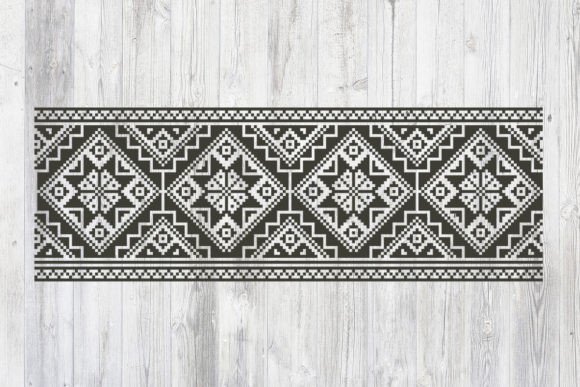
The first impression of this product is striking. The patterns carry the distinct geometric soul of Eastern European folk art, characterized by bold lines, symmetrical motifs, and a deep cultural resonance. For those of us in the handmade community, these designs are not just decorative; they tell a story. The visual mood is both rustic and refined, making it an excellent candidate for customers seeking authenticity in their handmade product choices. Whether you are creating a personalized gift or building a boutique brand, the aesthetic appeal here is undeniable.
Adapting Graphic Assets for Textile Use
It is important to note that Slavic Embroidery, Ukrianian Embroidery is described as a Cricut cutting file and national pattern drawing suitable for sublimation printing. As an embroiderer, this means we are working with high-quality vector-style graphics rather than pre-digitized machine files. This distinction is crucial. While the product description highlights its use for t-shirts, pillows, mugs, and stickers, adapting these illustrations for needle and thread requires a thoughtful approach.
When considering these graphics for a machine embroidery design, I look at the line weight and complexity. The intricate details typical of Ukrainian patterns can be stunning, but they must be simplified for stitching. If you plan to convert these graphics into an embroidery file, pay close attention to the smallest elements. Tiny details that look crisp in a digital mockup may get lost in the fabric if the stitch count is too low or if the thread thickness is too heavy. I recommend using these assets as a base for manual digitizing or simplifying them significantly if using auto-digitizing software.
Real-World Application on Apparel and Home Decor
I tested the concept of using these patterns on several common items found in my shop. For a tote bag design, the bold geometric shapes work exceptionally well. A large-scale motif centered on a canvas tote creates a statement piece that appeals to buyers looking for sustainable fashion with cultural flair. The symmetry of Slavic patterns ensures that the design remains balanced even when scaled up for larger hoops.
For sweatshirt embroidery, I focused on chest-sized placements. Here, the density of the design matters. Traditional Slavic motifs often feature dense fill areas. If you are converting these graphics, consider using a combination of satin stitch for borders and fill stitch for larger blocks of color. However, be mindful of the fabric. Heavy sweatshirt material can handle denser stitching, but lighter fabrics may pucker if the stitch density is too high. Always use a proper stabilizer to maintain the integrity of the garment.
Kitchen towels and aprons are another fantastic avenue. A border pattern derived from these illustrations can add a touch of elegance to everyday items. Using a running stitch or simple backstitch for linear elements can create a delicate, hand-drawn look that contrasts nicely with the sturdy texture of linen or cotton. This approach reduces bulk and ensures the item remains soft and functional after frequent washing.
Navigating Technical Challenges
Working with complex cultural patterns like Slavic Embroidery, Ukrianian Embroidery presents specific technical challenges. One major consideration is the hoop size. Many traditional motifs are wide and horizontal. Ensure your machine’s maximum hoop size can accommodate the full width of the design without needing to split it, which can disrupt the visual flow. If splitting is necessary, precise alignment marks are essential.
Thread color selection is another critical factor. Authentic Slavic palettes often rely on high contrast, such as red on white or black on beige. When creating a finished product, test your thread colors on scrap fabric first. Dark fabrics can obscure fine details, while light fabrics may show through if the stitch coverage is not dense enough. For curved surfaces like caps, simplify the design further to avoid distortion. An embroidered patch might be a better solution for complex designs on hats, allowing you to stitch on flat stabilizer before applying it to the curved surface.
Enhancing Brand Value and Customer Trust
Incorporating culturally rich designs like these can significantly elevate your brand. Customers on platforms like Etsy appreciate the effort and thought behind custom apparel and home decor. By using Slavic Embroidery, Ukrianian Embroidery as inspiration, you demonstrate an appreciation for heritage arts, which builds trust and engagement. High-quality printable mockup images showcasing these designs on various products can help customers visualize the final result, boosting conversion rates.
However, transparency is key. Since this product is categorized under Graphics and Illustrations, ensure you are clear about how the final item is made. If you are digitizing the design yourself, highlight that craftsmanship. If you are using it for sublimation as suggested in the product description, emphasize the durability and vibrancy of the print. Either way, the unique aesthetic of these patterns adds perceived value to your commercial embroidery or printed goods.
Practical Tips for Success
Before launching a new line based on these assets, follow these practical steps:
- Test on Scrap Fabric: Always stitch out a sample to check for puckering or thread breaks.
- Check Licensing: Review the Creative Fabrica product page to confirm the license terms for selling finished physical items.
- Verify File Details: Since this is a graphic/cutting file, ensure you have the right software to convert or adapt it for your specific embroidery machine.
- Contrast Check: Ensure your thread colors stand out against the fabric background for maximum visual impact.
- Stabilizer Selection: Use cut-away stabilizer for stretchy fabrics and tear-away for stable woven materials.
In conclusion, Slavic Embroidery, Ukrianian Embroidery offers a wealth of creative potential for designers willing to adapt graphic assets for textile use. Whether you are creating a digital embroidery file from scratch or using the patterns for sublimation, the cultural depth and visual beauty of these designs can set your products apart. With careful attention to technical details and a respect for the source material, you can create stunning, marketable items that resonate with customers worldwide.