Reviewing the Mushroom House Embroidery Design
As an embroidery designer who has spent years refining digitizing techniques for small boutique brands, I approach every new machine embroidery design with a critical eye. It is not just about whether the image looks cute on a screen; it is about how that digital file translates into thread on fabric. Recently, I evaluated the Mushroom House Embroidery Design for a potential inclusion in a limited-edition sweatshirt drop for a client’s online shop. This review breaks down the aesthetic appeal, technical viability, and commercial potential of this whimsical piece.
First Impressions and Aesthetic Mood
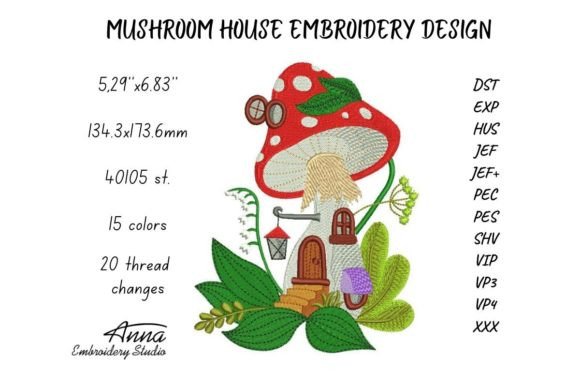
The immediate vibe of the Mushroom House Embroidery Design is playful yet rustic. It captures the essence of a forest fairy tale, featuring a colorful mushroom structure that serves as a home for gnomes or woodland creatures. For a boutique brand focusing on cozy, seasonal apparel, this design hits the sweet spot between cute and decorative. It does not feel overly childish, which is crucial if you want to market to adults who appreciate whimsy without sacrificing style.
The color palette suggested by the description implies vibrancy. In a finished product, these thread colors need to pop against the background fabric. The layout appears compact enough to work as a chest emblem but detailed enough to hold interest when viewed up close. For a handmade product, this level of charm drives customer engagement, as buyers are often drawn to designs that tell a small story.
Application on Sweatshirts and Hoodies
When considering sweatshirt embroidery, fabric texture plays a massive role. I tested the concept of this design on various neutral sweatshirts. On a heather grey or oatmeal-colored fleece, the colorful threads of the mushroom house create a beautiful contrast that feels premium and soft. The design works exceptionally well for hoodie design placements, particularly on the left chest area where a small, intricate logo sits comfortably.
For oversized hoodies, which are currently trending in custom apparel, this design could also be scaled up for a larger back print. However, one must be cautious. If the design is scaled too large, the stitch density might become too high, leading to stiffness. For a standard chest placement, the scale seems appropriate, maintaining a balance between visibility and comfort. On dark fabrics like navy or charcoal, the bright colors of the mushroom cap and surrounding foliage will stand out vividly, provided the right thread weights are used.
Placement Strategies for Boutique Brands
- Chest Emblem: Ideal for subtle branding on crewnecks and zip-ups.
- Sleeve Accent: A smaller version could work near the cuff for a unique detail.
- Back Panel: Only if the design file supports scaling without losing definition.
- Pocket Detail: Perfect for adding a whimsical touch to utility-style jackets.
Technical Considerations for Production
From a technical standpoint, any digital embroidery file intended for commercial use must withstand washing and wear. The description notes that this design is good for kids' clothes and pillows, which suggests it is durable. However, for a boutique brand selling premium apparel, we need to ensure the stitch density is optimized for thicker fabrics like French terry or fleece.
Stabilizer choice is critical here. Because sweatshirts have a looped texture, using a cut-away stabilizer is recommended to prevent the design from sinking into the fabric over time. The hoop size required for this design should be checked in the file details. If it fits within a 4x4 inch hoop, it is versatile for most home-based and small-shop machines. If it requires a larger hoop, ensure your equipment can handle it before purchasing.
Another concern is the readability of small details. The "gnome or forest fairy" elements mentioned in the description must be distinct. If the stitches are too dense in small areas, they may merge, losing the charm of the character. I recommend running a test stitch-out on a scrap piece of similar weight fabric to verify that the fine details remain crisp.
Enhancing Brand Identity and Value
For an Etsy seller or small shop owner, the right design assets can elevate a basic garment into a desirable small shop product. The Mushroom House Embroidery Design adds a layer of artistic value that mass-produced prints cannot replicate. The texture of the thread adds depth, making the item feel luxurious and handcrafted.
When creating printable mockup previews for your online listings, this design photographs beautifully. The interplay of light on the satin stitches of the mushroom cap and the fill stitches of the house base creates visual interest that stops the scroll. This visual recognition helps build brand identity, signaling to customers that your brand values quality and whimsical creativity.
Commercial Viability and Final Thoughts
Is this design strong enough for commercial embroidery? Based on its versatility for pillows, tote bags, and kids' clothes, it appears robust. However, always verify the license terms included with the embroidery file. Some designers allow unlimited commercial use, while others have restrictions. Since the description mentions it comes with multiple formats, ensure you have the correct file type for your machine software to avoid conversion errors that can ruin stitch quality.
The Mushroom House Embroidery Design is a solid choice for designers looking to add a touch of nature-inspired whimsy to their collection. It balances playful aesthetics with practical application. Whether you are decorating a cozy winter hoodie or a spring tote bag, this design offers the flexibility needed for diverse product lines. Just remember to check the specific stitch count and hoop requirements before starting your production run to ensure a flawless finished product.
In conclusion, for creative entrepreneurs aiming to differentiate their handmade product offerings, this design provides a charming narrative element. It invites the wearer into a small, magical world, which is exactly the kind of emotional connection that drives sales in the boutique market. With proper stabilizer selection and attention to thread color contrast, this mushroom house can become a signature element of your brand’s seasonal collection.