Skull Pirate Embroidery Digitizing Review
As an embroidery designer who has spent years digitizing files for small businesses, I approach every new machine embroidery design with a critical eye. It is not just about whether the image looks cool on a screen; it is about how that image translates to thread, fabric, and ultimately, the bottom line of a business. Recently, I evaluated Skull Pirate Embroidery Digitizing, a file that promises to unleash the spirit of the high seas with intricately crafted details. For boutique owners, Etsy sellers, and apparel decorators, this review breaks down whether this design is a viable asset for your commercial toolkit.
First Impressions: Boldness Meets Craftsmanship
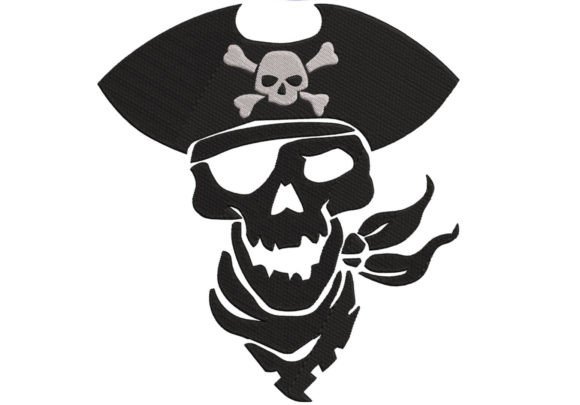
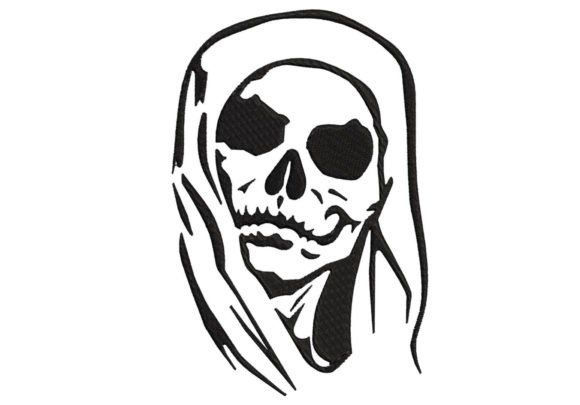
The immediate visual impact of Skull Pirate Embroidery Digitizing is one of bold confidence. The description highlights a "swashbuckling style," and the digitizing reflects this with strong outlines and dynamic shading. It does not feel overly rustic or amateurish; instead, it strikes a balance between playful and premium. For brands looking to add personality without sacrificing professionalism, this aesthetic is crucial. It feels decorative yet structured, making it suitable for both Halloween-themed seasonal drops and year-round edgy branding for creative studios or local bars.
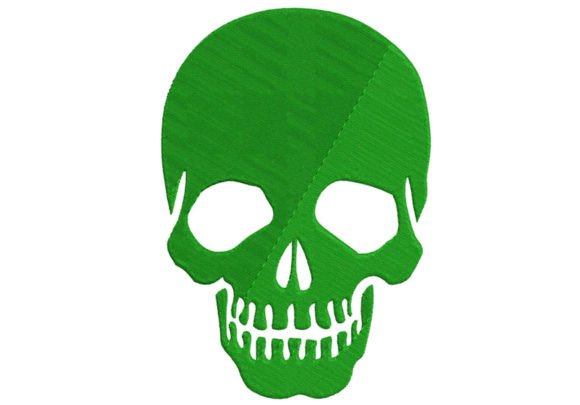
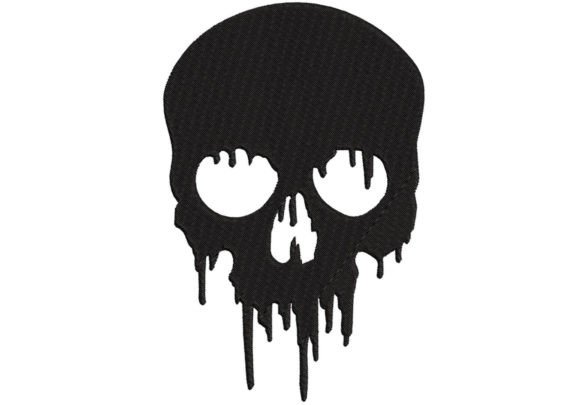
When reviewing the flow of the stitches in the preview, the design appears to prioritize clarity. In the world of commercial embroidery, clarity is king. If a customer cannot identify the motif from three feet away, the design has failed its primary marketing function. This skull motif maintains its integrity even when scaled down, suggesting that the digitizer understood the importance of negative space and stitch direction.
Real-World Applications for Small Business Merch
For small business owners, versatility is key. You need assets that work across multiple product lines to maintain visual consistency. Here is how Skull Pirate Embroidery Digitizing performs in various real-world scenarios:
- Embroidered Patches: This is perhaps the strongest use case. A pirate skull makes for an excellent iron-on or sew-on patch. It allows customers to customize their own denim jackets or bags, increasing engagement with your handmade product line.
- Staff Uniforms and Aprons: For a themed café, brewery, or boutique, this design works well as a chest logo accent on staff shirts. On canvas apron embroidery, the bold lines stand out against textured fabric, adding a touch of rugged charm to the service team’s look.
- Cap Embroidery: Placing this design on the front panel of a baseball cap requires precision. The curvature of the cap can distort complex designs, but the centralized focus of this skull suggests it would sit well on a standard six-panel cap, provided the hoop size is appropriate.
- Tote Bag Design: Canvas totes are a staple for eco-conscious brands. The high contrast of a skull design pops beautifully against natural cotton or black canvas, serving as a walking advertisement for your brand.
Using this digital embroidery file for customer gifts or event merch can also elevate perceived value. A simple tote becomes a collector’s item when adorned with a high-quality, intricate pirate motif.
Navigating Technical Challenges
While the design is visually striking, there are areas where caution is required. As a designer, I always advise testing before full production. Here are specific considerations for Skull Pirate Embroidery Digitizing:
- Stitch Density and Fabric Texture: Intricate designs often come with higher stitch counts. If you are embroidering on delicate fabrics or thin t-shirts, the density might cause puckering. Always use a proper stabilizer—likely a cut-away for stretchy materials or a tear-away for stable wovens—to support the weight of the thread.
- Small Patch Sizes: If you plan to scale this down for a tiny label or a small pocket logo, check the fine details. Tiny lettering or thin outlines may merge together if the needle size is too large or if the thread tension is off. Test it in black and white first to ensure the shape remains recognizable without color reliance.
- Curved Surfaces: When applying this to caps or curved sleeves, ensure your hooping technique is flawless. Distortion on curved surfaces can make symmetrical designs like skulls look lopsided. Use magnetic hoops if available for better stability.
- Thread Color Contrast: The success of this design relies heavily on contrast. On dark uniforms, ensure you are using high-viscosity threads or metallic accents if the design allows, to prevent the motif from disappearing into the fabric.
Impact on Brand Identity and Customer Trust
Your choice of imagery communicates your brand values. Using Skull Pirate Embroidery Digitizing signals a brand that is adventurous, bold, and perhaps a bit rebellious. For a handmade shop or creative studio, this can differentiate you from competitors who use generic, safe imagery. It builds recognition because it is memorable.
However, professionalism is maintained through execution. A poorly stitched skull looks messy; a well-executed one looks premium. By ensuring high-quality production, you enhance customer trust. Buyers associate the quality of the embroidery with the quality of your overall business. This design, when executed correctly, adds tangible value to the finished product, allowing you to command higher price points for your custom apparel and accessories.
Practical Designer Notes for Production
Before you load this file into your machine for a client order, follow these steps to ensure success:
- Check File Specifications: The product description does not specify exact stitch counts, file formats, or recommended hoop sizes. You must verify these details with the seller before purchase. Ensure the format matches your machine (PES, DST, JEF, etc.).
- Create a Printable Mockup: Use design software to place the embroidery file onto a photo of your product. This helps visualize scale and placement for client approval before stitching begins.
- Test on Real Fabric: Never skip the test stitch. Run the design on the actual fabric you intend to use. Check for thread breaks, jumps, or registration issues.
- Confirm Commercial Licensing: Ensure that your purchase of this embroidery file includes commercial rights. Most digital sellers offer different licenses for personal vs. commercial use. Do not assume you can sell items made with this design without explicit permission.
- Compare Design Assets: Place this skull beside your other branding elements. Does it clash or complement? Visual consistency across your design assets strengthens your brand identity.
In conclusion, Skull Pirate Embroidery Digitizing is a potent tool for businesses looking to inject personality into their merchandise. Whether for Halloween promotions or everyday edgy branding, its bold lines and thematic appeal make it a strong contender for patches, caps, and apparel. However, its success depends entirely on technical execution. By respecting the limitations of fabric texture, hoop size, and stitch density, you can transform this digital file into a high-value physical product that resonates with your audience.