Review: Retro 50s Camper Mini Embroidery File
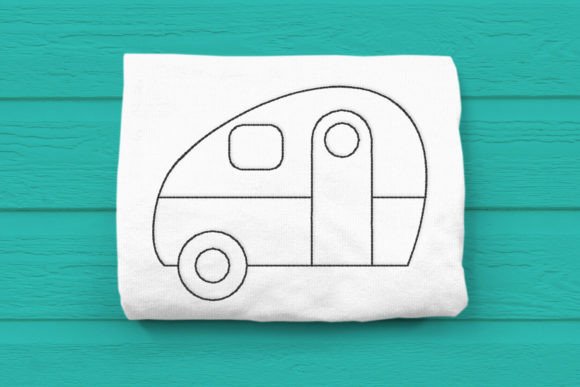
As a designer who has spent countless hours digitizing and testing machine embroidery design files, I have developed a keen eye for what works in the hoop versus what merely looks good on a screen. When I first loaded the Retro 50s Camper Mini Embroidery File, my immediate reaction was one of appreciation for its clean lines and nostalgic charm. This is not just another generic vehicle icon; it captures the whimsical spirit of mid-century travel with a simplicity that translates beautifully into thread.
The visual personality of this piece is distinctly cheerful. It evokes memories of family road trips, vintage postcards, and the freedom of the open road. For those of us in the Transportation category of Embroidery, finding a design that balances detail with stitch efficiency is crucial. This camper achieves that balance, making it a versatile asset for any creative entrepreneur looking to add a touch of retro flair to their product line.
First Impressions and Design Layout
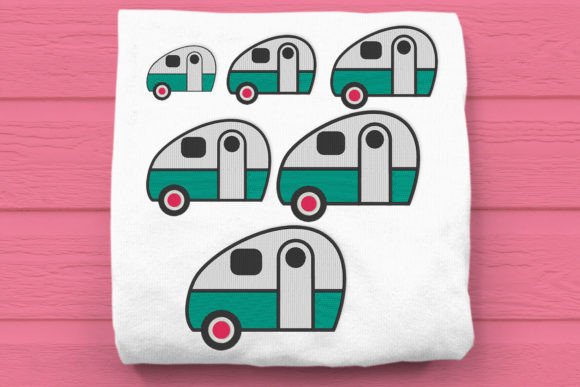
The layout is compact and well-proportioned, which is essential for a "mini" design. The shape is recognizable even at small scales, avoiding the clutter that often plagues reduced-size graphics. The detail level is appropriate for its intended use; it suggests the features of an RV camper without over-complicating the stitch path. This restraint is vital for maintaining stitching clarity, especially when working with smaller hoop size constraints.
What stands out immediately is the adaptability of the outline technique. The description notes that on the smallest size, the outline utilizes a bean stitch. This is a smart technical choice. A bean stitch provides durability and a slightly thicker line without the bulk of a satin stitch, preventing the design from becoming too dense or prone to puckering on tiny scales. For all other sizes, the outline shifts to satin embroidery. This transition ensures that larger versions maintain that crisp, professional finish we expect from high-quality design assets.
Real-World Application: The Tote Bag Test
To truly evaluate this file, I moved beyond digital mockups and stitched it onto a canvas tote bag design. Canvas is a forgiving yet textured fabric, providing a realistic test for how the threads interact with the material. The result was impressive. The satin stitch outlines lay flat and smooth, creating a sharp contrast against the woven background. The thread colors I chose—a muted teal for the body and cream for the roof—popped nicely without looking garish.
This specific application highlights why this design is perfect for Etsy seller shops focusing on lifestyle goods. It fits naturally on tote bags, aprons, and even kitchen towels. The nostalgic theme resonates with customers looking for unique, handmade items that tell a story. Whether used for a personalized gift for a travel enthusiast or as part of a boutique’s summer collection, the camper adds immediate visual appeal and perceived value.
Versatility Across Product Lines
Beyond tote bags, I see significant potential for this embroidery file in custom apparel. Imagine this camper stitched on the left chest of a denim jacket or the cuff of a sweatshirt. It serves as a subtle yet stylish accent. For baby embroidery projects, such as onesies or burp cloths, the mini size is ideal. It is cute without being overwhelming, and the simplified details mean fewer loose threads for little hands to catch.
For commercial embroidery purposes, such as branded merchandise for a travel agency or a camping gear shop, this design offers a friendly, approachable aesthetic. It avoids the corporate stiffness of standard logos, instead offering a warm, inviting vibe that enhances brand consistency and customer trust. It is also an excellent candidate for embroidered patch creation, where the defined edges of the satin stitch will hold up well to cutting and merrowing.
Technical Considerations and Fabric Choices
While the design is robust, practical experience dictates caution in certain scenarios. When working with thin or stretchy fabrics, such as jersey knits for t-shirts, proper stabilization is non-negotiable. I recommend using a cut-away stabilizer to prevent distortion, especially since the satin stitch outlines can pull slightly on lightweight materials. Always test the design on scrap fabric first to gauge the stitch density and ensure it does not cause puckering.
Dark fabrics present another challenge. If you are stitching on navy or black material, ensure your thread colors have sufficient contrast. A light-colored camper on a dark background will stand out, but you may need to adjust the underlay stitches to prevent the base fabric from showing through the satin columns. Additionally, when stitching on curved surfaces like caps, the small size of this design is an advantage. It fits comfortably within the limited space of a cap front without requiring excessive hooping adjustments.
Be mindful of washing instructions for the finished product. While the bean stitch on the smallest size is durable, satin stitches can be prone to snagging if not properly secured. Advise customers to wash embroidered items inside out on a gentle cycle to maintain the integrity of the design over time.
Enhancing Visual Appeal and Brand Value
In the world of handmade goods, presentation is everything. The Retro 50s Camper Mini Embroidery File contributes significantly to the professionalism of a product. Clean stitching, clear details, and thoughtful color choices signal quality to the buyer. This design allows for creative experimentation with thread colors to match seasonal trends or specific brand palettes.
For digital product sellers, this file can be used in printable mockup previews to showcase potential applications. However, always confirm licensing terms before selling finished items or digital products. Understanding whether the license covers commercial use is critical for craft business owners to avoid legal issues. If the license details are not explicitly provided with the file, reach out to the designer or platform for clarification.
Final Designer Notes
- Test Before Production: Always stitch a sample on the actual fabric you intend to use. Check for tension issues and thread breaks.
- Contrast is Key: Ensure your thread colors contrast well with the fabric, especially for the satin stitch outlines.
- Stabilizer Selection: Use appropriate stabilizers for your fabric type to prevent puckering and distortion.
- Check Licensing: Verify the commercial use rights before incorporating the design into products for sale.
- Mockup Verification: View the design in black and white to assess contrast and detail clarity without the distraction of color.
In conclusion, the Retro 50s Camper Mini Embroidery File is a well-digitized, versatile addition to any designer’s library. Its thoughtful construction, combining bean and satin stitches for optimal performance across sizes, makes it a reliable choice for a wide range of projects. From holiday embroidery gifts to everyday small shop product offerings, this design delivers both aesthetic charm and technical reliability. It is a testament to how a simple concept, executed with precision, can elevate a handmade item from ordinary to exceptional.