Reviewing Cute Baby Elephant Embroidery for Real Projects
As an embroidery designer who spends hours digitizing and testing files, I have learned that not every machine embroidery design looks as good on fabric as it does on a screen. When I first encountered the Cute Baby Elephant Embroidery on Creative Fabrica, I was immediately drawn to its charm. However, visual appeal is only half the battle. The real test lies in how the file performs under the needle, how it handles different fabrics, and whether it adds genuine value to a handmade product line.
In this review, I am evaluating this specific design from the perspective of a professional creator preparing for real customer orders. Whether you are an Etsy seller, a boutique owner, or a hobbyist looking to create personalized gifts, understanding the practical nuances of this file is essential before you hit download.
First Impressions and Visual Mood
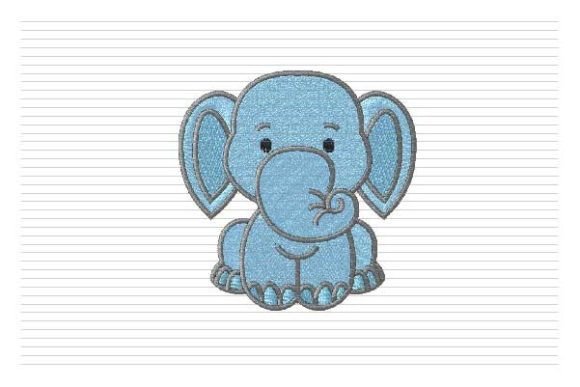
The central focus of this design is an adorable baby elephant, featuring big, expressive eyes, a small trunk, and tiny ears. The overall mood is undeniably sweet and whimsical, making it a perfect fit for the Baby Animals category. What stands out initially is the balance between simplicity and detail. The design avoids overly complex shading that can sometimes look messy when stitched out, opting instead for clean lines and defined shapes that emphasize cuteness.
For embroidery designers, this clarity is crucial. A cluttered design often leads to thread breaks or puckering, especially on smaller items. This file appears to prioritize readability, ensuring that the elephant’s features remain distinct even at smaller scales. The decorative appeal is high, suggesting it would work well for nursery decor, baby showers, or children’s apparel where a soft, friendly aesthetic is required.
Performance in Real Embroidery Work
When considering a new embroidery file, I always ask myself: where will this actually live? Will it be on a sturdy tote bag or a delicate onesie? The Cute Baby Elephant Embroidery offers versatility, but its performance depends heavily on the substrate.
Apparel and Custom Gear
For custom apparel, such as sweatshirts or caps, this design shines. On a sweatshirt, the fill stitches likely provide enough coverage to stand out against the fuzzy texture of fleece or cotton blends. However, when applying this to a curved cap surface, one must be mindful of distortion. The small trunk and ears need to remain proportional. If the design is too wide, it may wrap around the curve uncomfortably. Testing on a scrap piece of similar material is non-negotiable here.
For tote bag design applications, the durability of the stitch pattern becomes key. Tote bags endure frequent washing and heavy use. A well-digitized file will use appropriate underlay stitches to anchor the design to the canvas or cotton fabric, preventing shifting over time. This elephant design, with its compact form, is less likely to suffer from large-area pull issues compared to massive floral motifs.
Small Items and Accessories
Creating an embroidered patch or adding detail to kitchen towels requires precision. The tiny ears and expressive eyes are the highlight, but they are also the most vulnerable parts. On a textured towel, fine details can get lost. I recommend using a higher contrast thread color to ensure the eyes pop. For patches, a satin stitch border might be necessary if the file does not include one, to give the edge a finished, professional look.
Technical Considerations for Stitchers
Before running this design on your machine, there are several technical factors to review. While the product page on Creative Fabrica embroidery provides basic info, hands-on testing reveals the truth.
- Hoop Size: Confirm the dimensions fit your smallest hoop if you plan to make multiple items efficiently. Smaller hoops allow for faster hooping and less fabric waste.
- Stitch Density: Check the density of the fill areas. Too dense, and you risk needle heat or fabric perforation; too sparse, and the backing shows through. Adjust your tension accordingly.
- Stabilizer Choice: For stretchy fabrics like jersey knits used in baby clothes, a cut-away stabilizer is essential to prevent distortion. For woven fabrics like aprons or pillow covers, a tear-away may suffice, provided the stitch count is not excessive.
- Thread Colors: The design likely suggests specific colors, but do not be afraid to experiment. Gray is traditional, but pastel blues, pinks, or even whimsical purples can make the design unique for your brand.
Pay close attention to the satin stitch elements, such as the eyes or outlines. Satin stitches are prone to snagging if they are too long. Ensure the design breaks up any long runs with tack-down stitches or converts them to running stitch segments if necessary for durability.
Enhancing Product Value and Brand Consistency
Using a high-quality design like Cute Baby Elephant Embroidery can significantly impact your business metrics. Buyers often judge the quality of a handmade product by the clarity and neatness of the embroidery. A crisp, well-executed elephant builds trust. It signals that you care about details, which encourages repeat customers.
For Etsy sellers and creative entrepreneurs, consistency is key. If your brand focuses on gentle, nature-inspired items, this design fits seamlessly. It enhances the giftability of items like baby blankets or nursery wall hangings. When photographing these items for your online store, the cute expression of the elephant serves as a focal point, drawing the viewer’s eye and increasing engagement.
Moreover, using licensed design assets from reputable sources protects your business. Always verify the license terms on the product page. Most Creative Fabrica licenses allow for commercial use of finished physical products, which is vital for selling commercial embroidery items at craft fairs or online.
Practical Tips for Best Results
- Test on Scrap Fabric: Never run a new design on your final product first. Use a scrap piece of the exact same fabric and stabilizer combination.
- Check Thread Contrast: Ensure the thread colors contrast sufficiently with the fabric. A gray elephant on a heather gray shirt may disappear. Try white or navy for better definition.
- Inspect Small Details: After stitching, examine the eyes and trunk. Are they sharp? If they look blobby, your tension may be too loose, or the stabilizer may be insufficient.
- Review File Details: Before purchasing, check the available formats. Ensure your machine can read the specific digital embroidery file type provided (e.g., PES, DST, JEF).
- Create Printable Mockups: Use the design image to create printable mockup listings before you even stitch the item. This saves time and helps gauge customer interest.
In conclusion, the Cute Baby Elephant Embroidery is a promising addition to any designer’s library. Its strength lies in its emotional appeal and manageable complexity. By paying attention to stabilizer choices, thread contrasts, and fabric types, you can transform this digital file into a stunning personalized gift or a best-selling item in your shop. Always prioritize quality control in your stitching process to ensure that the cuteness of the design translates perfectly into the tactile reality of your finished products.