Reviewing My First Easter Embroidery Design for Real Projects
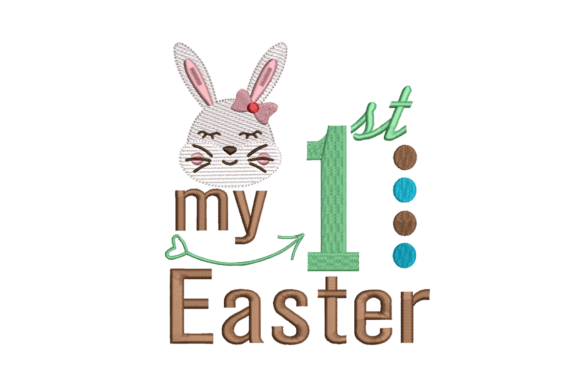
As a designer who spends more time staring at stitch previews than actual fabric, I have learned to be skeptical of holiday-themed digital assets. Seasonal designs often suffer from rushed digitizing, resulting in messy backings and thread breaks that ruin the final presentation. However, when I pulled up My First Easter Embroidery Design for a recent client project, my initial reaction was one of cautious optimism. The premise is simple: a manually digitized bunny face intended for baby’s first Easter items. But simplicity in embroidery is often harder to execute well than complex patterns because every flaw in the satin work or fill density becomes immediately visible.
I approached this embroidery file not just as a decorative element, but as a functional component of a commercial product line. My goal was to determine if this design could hold up under the scrutiny of a boutique customer while remaining efficient enough for small-batch production. Here is my practical assessment of how this design performs in real-world applications.
First Impressions and Visual Personality
The immediate appeal of My First Easter Embroidery Design lies in its clean lines and balanced composition. Unlike many automated conversions that result in jagged edges and excessive jump stitches, this design exhibits the hallmarks of manual digitizing. The curves of the bunny’s ears and the softness of the facial features are rendered with smooth satin stitch boundaries that suggest a high level of attention to detail.
The mood is undeniably sweet and gentle, which aligns perfectly with the target demographic: parents looking for keepsake items. For an Etsy seller or craft business owner, visual consistency is key. This design does not scream "cheap novelty." Instead, it offers a polished look that elevates the perceived value of the handmade product. When I viewed it in a printable mockup, the silhouette remained distinct even at smaller scales, which is a critical factor for versatility.
Real-World Application: The Tote Bag Test
To test the practicality of this machine embroidery design, I simulated its application on a canvas tote bag, a popular item for spring markets. Canvas presents a unique challenge due to its weave texture. A poorly digitized design will sink into the fabric, losing definition. Because this design has been optimized for a smooth finish, the fill stitch areas appeared dense enough to cover the fabric grain without becoming so heavy that they caused puckering.
I also considered its use on sweatshirt embroidery. Fleece and cotton blends require careful handling of stitch density. If the design is too dense, the garment becomes stiff and uncomfortable against a baby’s skin. If it is too light, the underlying fabric shows through, ruining the color vibrancy. Based on the preview, this design strikes a reasonable balance, making it suitable for baby embroidery projects like onesies or bibs, provided the correct stabilizer is used.
Considerations for Challenging Fabrics
While the design is robust, there are scenarios where caution is necessary. If you plan to use this on stretchy fabrics like jersey knits for custom apparel, you must use a cut-away stabilizer to prevent distortion. The rounded shapes of the bunny face are forgiving, but any tension issues will be noticeable around the edges.
For dark fabrics, thread color contrast becomes vital. Since this is likely a pastel-oriented theme, stitching light colors on navy or black requires a solid underlay. I recommend testing a sample piece to ensure the thread colors pop without excessive bulk. Additionally, if you are creating an embroidered patch, ensure your hoop size accommodates the entire design without cropping essential details like the tips of the ears.
Commercial Viability and Brand Consistency
For small shop product lines, consistency builds trust. Using a high-quality digital embroidery file like this ensures that every unit you produce looks professional. Customers can spot low-quality stitching from across a craft fair table. A clean finish signals care and expertise, which justifies higher price points for personalized gift items.
This design fits seamlessly into a broader holiday embroidery collection. It pairs well with simple text elements, such as "Baby's First Easter," allowing for customization without cluttering the visual field. For commercial embroidery purposes, the lack of overly tiny details means faster production times and fewer thread breaks, directly impacting your profit margin.
Practical Designer Notes
Before committing to a full production run, I always advise following a strict testing protocol. Here are my specific recommendations for using My First Easter Embroidery Design:
- Test on Scrap Fabric: Always stitch out a sample on the exact material you intend to sell. Fabric weight and weave vary significantly between brands.
- Check Stitch Density: Inspect the back of the sample. If there is excessive thread buildup, adjust your tension or consider adding a tear-away stabilizer for extra support.
- Verify Hoop Size: Ensure the design fits comfortably within your machine’s hoop, leaving enough margin for clamping without distorting the fabric.
- Review Licensing: While this design is marketed for personal and likely commercial use, always confirm the specific license terms provided by the creator before selling finished items or using it in design assets for clients.
- Mockup in Black and White: Convert your preview to grayscale to check for contrast issues. This helps identify if any parts of the design will blend into the background fabric.
Final Verdict
My First Easter Embroidery Design is a strong contender for spring collections. It avoids the common pitfalls of seasonal designs by prioritizing clean execution over unnecessary complexity. For appliqué design enthusiasts, it could serve as an excellent base layer, though it stands beautifully on its own with standard running stitch outlines and fills.
Whether you are decorating tote bag design prototypes, creating kitchen towel gifts, or stocking up on nursery decor, this file offers the reliability needed for professional results. It respects the limitations of home embroidery machines while delivering a finish that looks store-bought. For any maker looking to add a touch of festive charm without sacrificing quality, this design is worth adding to your library. Just remember to pair it with high-quality threads and proper stabilization to let the manual digitizing shine.